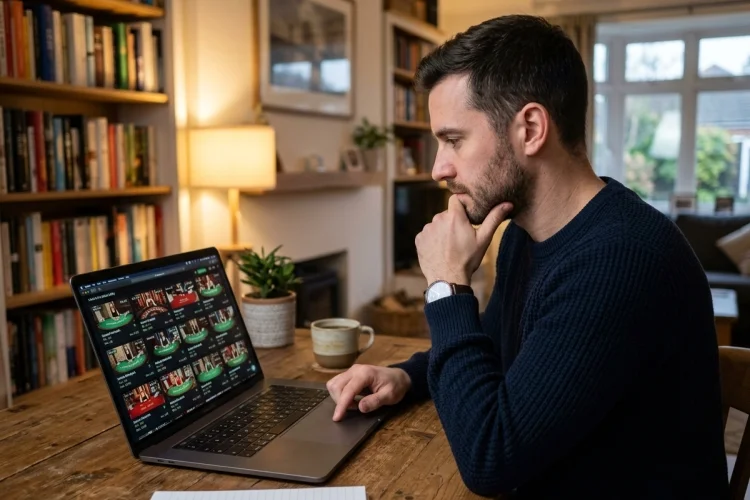
Seeing a human dealer on screen can make an online casino feel trustworthy. The cards appear physical, the roulette ball is visible, and players can sometimes communicate with the dealer through a chat window.
However, appearance should never replace verification. A live video does not automatically prove that the operator is licensed, the studio is independently inspected, or winnings will be paid correctly.
Players still need to examine who runs the casino, which company supplies the games, and what procedures protect each wager.
Are live dealer games fair? The most accurate answer is that properly regulated games are designed to operate fairly and transparently, while unlicensed services may provide far fewer protections.
Even a regulated table retains a mathematical house advantage, so fairness should not be confused with a high probability of winning. The following checks can help players evaluate a live casino before depositing money or joining a table.
Verify the Casino Licence
Start with the operator rather than the game lobby. Find the legal company name, licence number, regulator, and approved website domain.
Then visit the regulator’s official website and search for the business independently. Do not rely solely on a licence image because logos and seals can be copied.
Regulated operators are expected to follow technical, financial, advertising, and player-protection requirements.
The Malta Gaming Authority, for example, requires licensed websites to display licence details, an underage-gambling warning, responsible-gaming information, and access to support tools.
Identify the Live Casino Provider
The casino operator and studio provider may be different companies. One business manages the player account, while another supplies the dealer, table, video stream, and game technology.
Reliable platforms normally display the provider’s name in the lobby or game information panel. This allows players to research whether the studio supplies regulated markets and undergoes recognized testing.
A known provider name is not sufficient by itself, because an unlicensed website could copy branding. Confirm that the casino is actually authorized to offer the provider’s games in your jurisdiction.
Read the Exact Table Rules
Live blackjack, roulette, baccarat, and game-show tables can have different payouts and procedures. Two visually similar blackjack games may use different deck counts, dealer rules, side bets, or natural-blackjack payments.
The information panel should explain the betting period, valid wagers, payout table, winning conditions, and procedures for irregular rounds. It should also state whether special features use physical equipment, software, or an RNG.
Fairness requires the published rules to be applied consistently. It does not require every wager to offer the same mathematical value.
Look for Evidence of Studio Controls
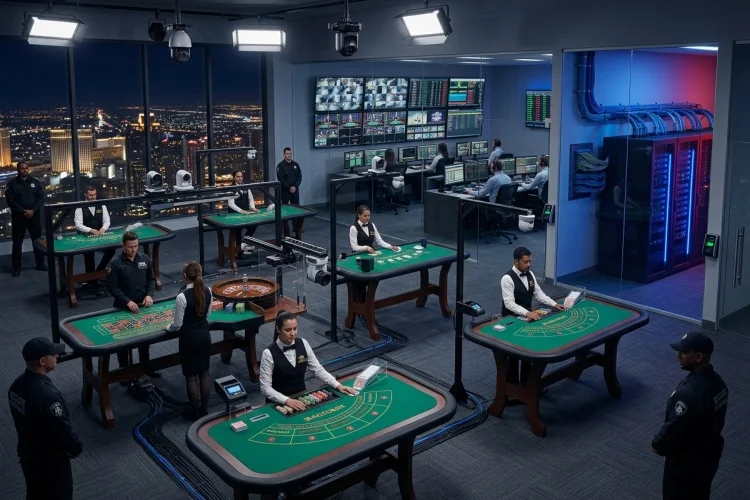
A regulated studio should use trained dealers, supervisors, suitable casino equipment, restricted access, and surveillance. These controls reduce opportunities for unauthorized handling or unrecorded changes.
The UK Gambling Commission requires live dealer operations to be fair and independently auditable. Its guidance expects commercial-quality equipment, documented dealer training, supervision, video coverage, secure access, and retained game logs.
Players cannot inspect all these systems personally. That is why credible licensing and independent assessment are important.
Understand How Results Reach Your Screen
Live games combine physical actions with digital systems. Cameras show the table, while software records bets and converts the official result into account settlements.
GLI explains that OCR technology may translate dealt cards or roulette outcomes into usable system data. Testing may include both the live studio and the online player interface.
A temporary streaming delay does not automatically change the official result. The settlement may rely on studio data and logs rather than the final frame visible on a player’s device.
Review Dispute and Interruption Procedures
Before playing, find out what happens if the stream freezes, a card is scanned incorrectly, the dealer makes an error, or the connection fails after a wager is accepted.
A reputable operator should maintain a round history and provide an official complaints route. Support staff should be able to identify the table, time, round number, wager, and recorded result.
Independent testing can review recordkeeping, dealer actions, timestamps, player interactions, and systems for handling complaints.
Save screenshots and transaction details when reporting a genuine discrepancy.
Recognize Warning Signs of an Unfair Platform
Be cautious when a casino hides its legal owner, offers no verifiable licence, or provides only messaging-app support. Unclear withdrawal conditions and unexplained balance adjustments are also serious concerns.
Other warning signs include tables with missing rules, unofficial software downloads, pressure to deposit through personal accounts, or claims that a dealer can guarantee a win.
A legitimate game should never require a player to pay an unofficial fee to unlock a jackpot or release a withdrawal. Do not send identity documents or verification codes through unconfirmed channels.
Use Responsible-Gambling Controls
A technically fair game can still cause financial harm when played without limits. Quick rounds, continuous streaming, and social interaction can make sessions feel shorter than they are.
Check for deposit limits, session reminders, time-outs, account history, marketing controls, and self-exclusion. MGA-licensed operators, for example, must provide an effective mechanism allowing players to exclude themselves for a definite or indefinite period.
These tools should be activated before spending becomes difficult to control. Fairness protections do not make casino play a source of income.
A fair live dealer table combines verifiable licensing, trained staff, secure equipment, surveillance, game logs, transparent rules, reliable technology, and independent auditing.
Watching the dealer provides useful visibility, but it should be supported by regulatory evidence and clear consumer protections.
Before playing, verify both the operator and the game provider, read the exact payout rules, and review the procedures for technical interruptions or disputed rounds.
Avoid any platform whose licence, ownership, or withdrawal process cannot be confirmed. Choose a regulated service, set an affordable entertainment budget, and use available limits or time-outs.
The best way to evaluate live dealer fairness is through evidence – not visual presentation or promotional promises.